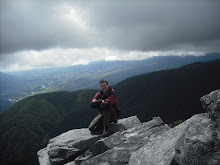


So here we are again. It’s been a little while…again. And I’m supposed to come up with a clever and witty way to attempt to explain to all my long-lost loyal readers (such that they are) why the hell I never finished writing about my travels last spring. The trouble is, I used up that clever and witty post already (see below). I got nothing. Well I do have excuses, but they aren’t really that clever. Something along the lines of not having time because harvest started in New Zealand, followed by a move and constructing a rather comfortable setup in Portland, only to tear it all down once again for the madness of yet another harvest. Maybe I’m just more comfortable procrastinating until the last possible moment, in this case riding on a plane at the start of another travel marathon to New Zealand. Or maybe my life was removed from the mindset of a traveler, having put roots down for a little while (albeit a brief while). Maybe I just needed to be crammed on a plane, having said goodbye to friends and family for 6 months, packing my life into a backpack and a box, feeling the urge to tell a few more stories before the fresh ones crowd them out. We’ll go with that one. And maybe I just needed the guy sitting in front of me to push his seat all the way back…perfect.
The Abel Tasman was the only the first leg of the backpacking adventures, allowing the opportunity to explore golden sand beaches and subtropical forests. The Heaphy track promised to be something quite different. It’s the longest “Great Walk” in New Zealand, stretching almost 100 kilometers from the Farewell Spit through the Kaikoura National Park and finishing along the remote northern tip of the west coast. My friend and guardian angel Aoife, whom I had rendezvoused with at the Innlet, had offered to give me a ride to the trailhead the next morning. Still feeling rather good about my new found hitchhiking abilities, I nonetheless accepted her offer, and we set off the next morning after a hearty breakfast. While guidebooks and maps have surely improved the world over in the last few decades, this particular part of New Zealand still stubbornly clung to history, and a drive that was supposed to be “approximately 12km” turned out to be closer to 30km. And while the guidebook did mention that there may be a “low point in the road that may be a wet crossing”, it accounted for neither the number of said crossings (4) nor the depth (the shallowest was several inches). When we pulled up to the 4th crossing, the water was moving swiftly and looked to be almost 6 inches deep in places, with rocks sprinkled for extra merit. One look at Aoife and I realized that I was near the point of exhausting her goodwill, so I pulled my gear out and prepared to hike the rest of the way in (somewhere between 2 and 20km, according to the guidebook). As luck would have it, a Canadian expedition en route to the trailhead happened to pull up just as I shouldered my gear, and I managed to hitch a ride with them the rest of the way in, for a nominal fee of course. Bidding Aoife farewell, I climbed aboard.
The Heaphy track begins at the headwaters of a small river valley, and follows a step and steady climb for 10 miles or so, gaining nearly 800 meters in the process. The trail was very well maintained (felt more like a logging road than anything) and the climb was steady, so I settled into my pace and started climbing, pausing at breaks in the trees to judge my progress. My campsite for the night was the very first shelter along the trail named Aeore Shelter, which made for a pretty short day. Dropping my gear I continued up the trail another mile or so to Flanagan’s Corner, which marked the highest point on the trail. Some crazy DOC ranger had dragged a picnic table up there (or more likely driven it up, given the size of the trail), which was occupied by an elderly Kiwi couple. Turns out they were both ecology buffs and gave me a private lesson on the local flora and fauna, some of which only grow in this one place in the entire world. My personal favorite was the dracophilia tree, a sort of tiered pom-pom looking tree that made me wonder if I stumbled into the pages of a Dr Seuss book. At least the kiwi’s looked normal enough.
After a quiet night at Aeore my trail turned west and flattened out as I left the river valley for the high desert of the Kaikouras. I paused at Perry Saddle hut briefly to take advantage of the sunlight and dry the dew off my rainfly. In the meantime I explored the inside of the hut, which was obviously maintained regularly and very clean (as huts go), when I noticed a hand written note posted on the notice board describing where to find the trailhead to the summit of Perry Mountain, the 2200 meter peak at the north end of Perry Saddle. With plenty of daylight left, I decided to give it a go, finding the (hiker’s marker) off the main trail and stashing most of my gear, save some water and lunch. The climb was grueling, winding straight up through a forest of gnarled trees which gave way to ankle-spraining scree which in turn gave way to large broken boulders announcing the approach of the summit. The sun mercifully found its way behind some clouds as I gained elevation, and with sweat pouring out pores I didn’t know existed I clawed my way to the top. The view was well worth the exertion. To the east, the river wound its way through Farewell spit to the Cook Strait, and to the east, I could just make out the Heaphy track winding its way to the west to the Tasman Sea. As I stumbled along on burning legs searching for a comfortable lunch spot, I came upon a fire pit and a rather human shaped rock shelter. While the wind was howling and carrying on about what an awful idea it would be to camp up here, I wondered what kind of crazy person would think camping up here was a good idea. Looking up at the sky beginning to come through the clouds, I realized it wasn’t a fair to judge this person just yet, as the billions of star witnesses making up the defense were at recess. Recharged and reinvigorated after a little food and a satisfying rest, I bounded down the mountain and continued on my way along the trail. The sun began to shine once again, and I paused along the way to strip for a plunge in a stream fed mountain pool, washing away the sweat and grime I had accumulated in 2 days of uphill climbing.
As I drew nearer to my campsite I spotted several DOC rangers hiking through the bush, and hiked along the trail with them briefly before they disappeared back off the trail. My campsite for the night was Gouland Downs, which had the advantage of not having a public hut (and thus less public). It did, however, have a government run hut for research purposes, which was occupied by the rangers I had run across earlier. As I was setting up my tent, a beautiful blonde woman pulled into camp and began to set up her tent, and I suddenly had the feeling that there was something special about this particular campsite. Before I had the chance to walk over and introduce myself however, she disappeared into her tent and did not return for an hour or more. Sighing to myself, I pulled out my cooking supplies and set to work on dinner. I was joined by a rather curious but rather unintelligent weka, a flightless bird about the size of a chicken, who was keen on investigating the boiling water in my pot. In a different time I would have satisfied his curiosity, and I couldn’t help but wonder if he bore some distant relation to another flightless bird of questionable intellect that went extinct on another island some 150 years ago…
Perhaps the smell of my delicious cooking enticed the other camper from here tent, or perhaps she had just woken from a short nap, but I was fortunate enough to have a dinner companion after all. Turns out she was a German 20-something from Hamburg named Marleis who was slowly winding her way around New Zealand doing agricultural work to pay for explorations. The rangers returned while we were eating dinner and we chatted about the usual where from and what for, and as it turns out they were in the midst of tagging the endangered Great Kiwi (the largest in New Zealand, or the world for that matter) and had been scouting for good places to trap kiwi for most of the day. Sarah and Dave were both indeed DOC rangers, while Natasha and James were both former DOC rangers who elected to do private contracting instead (as James put it, get paid by the government and not deal with the bloody mess). They were heading out to hunt that night, and I immediately asked if they minded if we tagged along. They agreed to let us go, but only if we promised not to tell anyone about it. Word has a way of spreading quickly along the trail, and allowing tourists to take part in the tagging of endangered wild animals (while just so happen to be on the currency) may not be in the best interests of the DOC, let alone kiwis. The sunset and night fell, and we set off with the group, flanked on either side by rangers and trackers. James went over exactly how one catches a kiwi, grabbing its legs in a particular way and flipping it upside down to calm it, all without snapping off its signature beak or rendering it lame. Natasha helpfully chimed in to watch out for their claws, which are very good at digging up insects and ripping up Jack Wolfskin gortex jackets. Even in the dark I could see Marleis’ eyes widen, but as Natasha hiked up ahead with James, Dave caught up and informed us that under no circumstances were we to do anything but observe, avoiding my choice between looking like a sissy city boy and crippling/killing a national treasure. We left the trail and hiked down a large embankment to a small clearing. To the north was a small stream, the east the steep embankment we just hiked down, so we took up positions around the outside of the clearing to the south and west in a semi-circle, making a net. Dave took up a position near mind, obviously sensing that in addition to be a clumsy American I might just be stupid enough to try to get involved (having something to prove from my getting picked last at kickball in grade school days, among other things). James arranged himself in the middle of the circle, and had a small mp3 player to entice wild kiwi with various X-rated kiwi calls. Dave muttered to get comfortable, as last night they had sat motionless for 2 hours waiting for the elusive kiwi to show up, which of course it never did. I settled into a spot where I could see the stars through the trees and waited. The first of the calls blared loudly from the clearing, and sure enough, they were answered some distance away. After another 10 minutes, James repeated the calls, which again were answered from what seemed like the same distance, and I began to wonder if someone had forgot to make sure there weren’t other DOC groups out here playing tag with us. The minutes continued to tick by, stretching longer and longer as the excitement of the hunt began to wear off. After my leg fell asleep, James repeated the call one last time. This time, however, it was answered, and far closer than any of the previous calls. James repeated the call once more (an especially provocative one I might add), and the call came even closer. Absolute silence reigned for a few moments, with every hair on my skin searching for any vibration in the air. Something moved behind me. I couldn’t move, not to turn my head towards the noise, or even to shift my second leg, which oblivious to the suspenseful nature of the situation, had also fallen asleep. No matter, every inch of my attention was focused on that rustling, my mind mentally projecting the distance, 10 feet, 5 feet, moving to my left, now pausing for a moment, now walking around to the fruit, over to my right side. Then nothing. Whatever it was now stood less than one foot away from me, probably trying to figure out why the hell this funny looking red tree stump was perspiring. Suddenly I felt something tap my arm, lightly at first but quickly followed by several sharper, more authoritative taps. Likely very confused now and wondering where the sultry kiwi vixen had vanished to, I heard several steps behind me and the loudest kiwi cry of protest I have ever seen. Think T-Rex roaring at a Ford Explorer in Jurassic Park. Quick thinking James quickly played the kiwi temptress once more and the intruder charged to the center of the clearing, libido flaring no doubt. Before it could realize its mistake, James leapt up (in the dark mind you) and snagged the male kiwi in one fell swoop. We broke the circle and walked/hobbled in to give him our congratulations. But James wasn’t done. Lifting his head suddenly, he quickly passed off the kiwi to Natasha and darted off in the woods again, returning moments later with a second kiwi. Evidently the female kiwi had followed her mate (apparently he had a habit of sneaking off) and was coming in to spoil the party. How James had spotted her, let alone chased her down in the middle of the woods in the middle of a moonless night shall forever be a mystery to me. I bet he was the first one picked at kickball.
The rangers quickly set to work taking measurements and blood samples and attaching tracking bands while Marleis and I stood by uselessly observing. Natasha looked over at Dave, grinned, and called me over. Now what you need to do, she said, is take the big male here by his leg and cradle him in your arms, like holding an upside baby. Naturally. Before Dave could utter a word of protest (I think I managed to get a syllable out), I was holding an endangered national monument like an overstuffed pillow case. After the proper electronic documentation was undertaken, the kiwi seemed to relax a little, and tucked his head under my arm in what was almost an intimate gesture (or a desperate attempt to avoid the light from my headlamp). This moment was fleeting however, and as he began to struggle he was quickly removed from my care. Marleis (who was almost as jittery as the kiwis) also got to take a turn, and admittedly looked far better with her kiwi than I did with mine. Before long both kiwis were tagged, poked and prodded, and the time came to place them in a velvet sack and administer a mild sedative, so upon waking they would think it had all been a dream. Lacking these items however, we just tossed them (gently, or as gently as a man like James could muster) back into the woods. They stood a bit startled for a moment, before disappearing back into the darkness. As the rangers headed off to another spot, Marleis and I headed back to camp, thanking them profusely for such a rare opportunity. Enchanted campsite indeed.
Marleis and I compared itineraries and elected to hike the remainder of the trail together. We crossed a serious of suspension bridges as we made our way through high desert country, before the scrubby bushes gave way to forest once again. At the edge of this transition was our campsite, and we rewarded ourselves by finding a cold stream to plunge into before returning back to the campsite for dinner. Marleis had booked herself in the hut that night and befriended another German named Jens, and the three of us ate dinner gazing on the mouth of the Heaphy River, some 20km in the distance. As the sun set that evening, clouds rippled over the horizon, as if someone had forgot to pull the sunset canvas taunt over the horizon. The show didn’t end there, with the Southern Cross and Milky Way competing with the half moon in the sky.
Jens, Marleis and I set off the next day under overcast skies, crossing many more suspension bridges as the clouds beginning to sprinkle rain. The forest here was much different than the one the greeted us at the beginning of the trail, with beech trees giving way to dense jungles full of ferns and massive trees. We had crossed the rainshadow. Despite the weather and the increasing number of black flies, we all remained in high spirits, climbing trees and taking pictures, answering the riddles of little birds that guarded our path. Now I’ve heard that some people become philosophical after spending time in the woods. Others become spiritual or environmentally conscientious. And some people wear banana leaves on their heads. I’m not sure who started it, but we unanimously decided that the best way to keep the rain from our heads was to wear large seed pouches on our head. Feeling the tribalism developing, we crafted ourselves a totem (Mr. Banana Leaf), and thus was born the Banana Leaf Tribe!
Marleis and Jens were both stopping at the Heaphy hut that night along the mouth of the river, but I (in my attempt to avoid overcrowded campgrounds) had elected instead to move on to a shelter 2 more hours up the trail along the coast. We paused for a little while at the mouth of the river, but as the skies continued to darken, I knew I needed to make camp soon or face very unpleasant circumstances. I left my companions at the crowded but cheerful Heaphy hut and continued down the coast. As I made camp that night in my lonely campsite, I had a feeling I was in for a bit of a storm. Turns out I was right.
I have camped in serious weather before, but never alone, and never this close to a raging ocean. The shelter was well off the beach, but as the storm picked up intensity I couldn’t help but wonder about storm surges and tsunamis. Making matters worse, the shelter was at the foot of large sloping cliffs, which offered little protection from, well, anything. The rains were heavy at first, but they began to lighten up past midnight and I thought I had come through the worst of it. Then the wind started blowing. It was an eerily devilish, screaming down the sides of the cliffs through the trees before pausing just a moment and then battering my tent. I had my tent staked down with large rocks, but as the beating continued I began to worry that my tent poles were getting ready to snap. My tent is mushroom-shaped with two poles crossing at the head of the mushroom, which just so happened to be facing the wind. It also just so happened that this part of the tent was right above my face, making each gust an up close and personal experience. It was a maddening storm. When it finally did abate (around 4am) and I finally started to drift off to sleep, the storm delivered one last gust strong enough to smack the tent right into my face. Screw you too. With the storm gone, the sandflies (which had become increasingly numerous as we descended down the Heaphy River) came out in full effect to greet me the next morning. The plan had been for me to wait for Jens and Marleis and hike with them, but I couldn’t spend another minute in that godforsaken place. Breakfast was on the trail that morning.
I had one more night scheduled on the trail at a place called Scott’s Beach, which supposedly had the prettiest sunsets of the trip. I waited for Jens and Marleis there, and decided to hike out with them, thanks to overcast skies and, well, the prettiest German of the trip. Jens was travelling around by campervan and staying at a holiday park in Karamea, the forgotten little town whose only claim to fame is a rainbow hostel and a bar or two. From there we had planned to travel the long way to Picton, where I would catch a ferry and make my way to harvest in Martinborough. There was only one problem. The van wasn’t working. And by not working I mean totally dead. And unfixable. A disaster. Only, well it wasn’t. Jens had lived in the ole girl for 2 months and felt he had gotten his money’s worth, and while this meant we were stuck in Karamea for the time being, that didn’t bother him at all. And to be honest, it didn’t bother any of us. Karamea was awesome!
For starters, instead of staying at the hippie hostel, we stayed instead at the holiday park, which had a bunk room in it with comfy mattresses for half the price of the hostel. The park was run by a retired elderly couple named Joe and Pip (a Dutchman and a Kiwi respectively) who were about the nicest people you could ever meet. They met each other in New Zealand 55 years ago, and were spending their twilight years living off their pensions in a trailer, managing various holiday parks for a few years at a clip before moving on. Joe was a former commodities trader who, as Pip put it, lived through his phone, so much so in fact that he absolutely refuses to talk on it anymore. Seriously. If the phone rings and Pip isn’t around, plan on getting the answering machine. He doesn’t even like to touch it. Instead, he spends his time cooking and walking his cat, Tiger, around the holiday park.
There was one flash “resort” in Karamea which had a hot tub, so after dropping our gear at the holiday park we made for the showers and tub, and of course, celebratory beers. And coffee. Good coffee. And more celebratory beers. We re-provisioned our food supplies at the local general store and cooked a feast that night, drinking wine and listening to German reggae until the wee hours of the morning. The next morning we awoke to beer and banana pancakes (love Germans) and decided to spend another day exploring Karamea. In addition to the hostel, resort, general store and bar, there was a library (open 4 hours a week), a museum (think it was part of the library), and an artist colony. And a second bar. That was about it. Having explored these places, we went back to what we were good at, cooking up another feast that evening and knocking back a few beers. Being Saturday night, we elected to explore the local nightlife, and as luck would have it an Irish band was randomly playing in one of the pubs in town. Dancing and drinking with the hippie hostel folks commenced, and I happened across another traveler from Oregon, a junior on hiatus from Lewis and Clark College in Portland (where I looked at going to school before ending up at Willamette). Small world indeed.
Thursday, December 3, 2009


Monday, May 11, 2009
Oh...hey there...
It's been awhile. I've got excuses, some pretty good ones in fact, but that doesn't matter. I was doing other things...
Geez this is awkward. Maybe it's best to just take it slow, catch up over a cup of coffee or something. Look back at the good times, rekindle the magic...
So now what? Start fresh? Or go back to the point where the communication just stopped suddenly and try to continue? So much has happened since then...
It has to happen that way, I can't forget the past. I don't want to. It will take a lot of time to get things back to where they should be...but deep down, I think that maybe, just maybe, it will be worth it in the end.
Only one way to find out, right?
Geez this is awkward. Maybe it's best to just take it slow, catch up over a cup of coffee or something. Look back at the good times, rekindle the magic...
So now what? Start fresh? Or go back to the point where the communication just stopped suddenly and try to continue? So much has happened since then...
It has to happen that way, I can't forget the past. I don't want to. It will take a lot of time to get things back to where they should be...but deep down, I think that maybe, just maybe, it will be worth it in the end.
Only one way to find out, right?
Saturday, March 21, 2009
Money...its a drag
It only took a few kilometers to demonstrate what a colossal mistake hiking out from Totaranui would have been. The road was an engineer’s nightmare, full of unforgiving cliffs and hairpin turns and composed primarily of loose (and increasingly wet) gravel sitting on top of rather loosely consolidated sandstone. To make matters worse, large sections of the road had dwindled to one lane barely wide enough for the bus, let alone an unsuspecting tourists traveling in the other direction. The other lane? It had slid down the cliff after, you guessed it, a heavy rain. In true cavalier fashion, our kiwi bus driver was unconcerned with the terrain, often looking back over his shoulder to chat with the passengers as we barreled along towards an increasingly certain fiery descent down the mountainside. Needless to say, I don’t think I was alone in breathing a sigh of relief as the tires finally touched onto the flat asphalt of civilization.
I had about a little less than 2 days before I was due to begin backpacking down the Heaphy Track, near Collingwood about 50km to the north. My original plan was to head north immediately and make for the Innlet, a hostel just to the west of Collingwood along the Farewell Spit. I heard about the place from Aoife, an Irish girl who I met in Marlborough a few weeks before, and was going to meet her up there before heading back into the woods. The rain, however, continued to fall unabated, ensuring that hitchhiking would remain a soggy venture, so I elected to wait out the storm and spend the night in Takaka, the town/artist colony where I had been dropped off by the bus. I wandered around looking for accommodations, and finally arrived at Annie’s Nirvana, a smaller hostel located just off of Takaka’s main drag (such that it was). Setting my gear out to dry on their back porch, I took a hot shower and tossed in a load of laundry, before blissfully napping away the afternoon.
The rain continued for the rest of the evening, but the morning brought sunshine and blue sky, so I packed up and resupplied (which left me with the uncanny feeling that there was something I had forgotten…), before wandering through town to the edge of the road. Being Sunday, most of the little shops along Main Street were closed, saving me from deciding between a week’s worth of groceries or the merino wool hats and wood carvings on display. My first ride came in minutes from a British surfer in a camper van on his way to a campground halfway between Takaka and Collingwood. He had spent the previous night at the Mussel Inn; a little microbrewery near the campground that he assured me had the finest beer and cider in Golden Bay. Even though it was 10am, by the time we came upon the entrance we were both convinced we should stop in for a quick pint, but to our dismay they remained closed for at least a couple of hours. Reflecting upon it now, maybe it was for the best.
I caught my next ride from the very first car that came along, an older hippie woman who was heading to a church just up the road. She had a tape of Bob Dylan playing with the Grateful Dead, but unfortunately the ride was too short for any real conversation. She invited me to come to church with her, but I politely declined, unsure of how easy it would be to get to a backpackers that was, for all intents and purposes, in the middle of nowhere. After 20 minutes of standing along the road I began to change my mind, but just as I was about to shoulder my bag and head for the steeple, another car pulled up and opened its door. As it turns out, they were traveling past the Innlet and could drop me at the doorstep. Coincidence?
The occupants were an older Kiwi woman who lived locally and young guy from Michigan. After several attempts at conversation that became increasingly awkward, it became clear that they were not in a talkative mood, so I passed the time gazing at the scenery, which bore a strange resemblance to Cape Cod. Thanking them for the ride, I arrived at the Innlet just before noon.
If you ever find yourself near Farewell Spit, or for that matter Golden Bay, or for that matter the south island of New Zealand, do yourself a big favor a spend some time at the Innlet. Arriving there felt like getting to your grandparents’ house after spending 11 hours crammed in the backseat of a car fighting with your sister. Nestled along the edge of a forest at the foot of some modest mountains, the “hostel” is really a large old house, full of worn and cozy furniture and interesting people, many of whom spend their entire holiday (sometimes months) taking life slowly. Throw in a cast iron stove in the living room and a pair of claw foot bathtubs near a babbling stream just off the porch, and it isn’t hard to see why.
I reunited with Aoife and we decided to spend the afternoon kayaking around the spit (yes, the Innlet also rents kayaks), and as I headed to my room to unpack a bit and change, I suddenly remembered what I had forgotten to do before leaving Takaka. I had forgotten to feed my now quite skinny wallet. I had a little bit of cash left, enough to cover my night at the Innlet, but would need more if I wanted to rent kayaks. Figuring I would just pop into Collingwood (the closest town) before going, I quickly learned that they didn’t have an ATM. Nor did Karamea (where I was headed), nor did anywhere else for miles around, save Takaka. I still had an hour before the kayak trip left, so I borrowed Aoife’s car and raced back down to Takaka.
As I waited for the woman in front of me to finish her transaction, the thought briefly popped into my head how totally screwed I would be if Takaka didn’t have an ATM either. Her cash and card spit out, and I walked up to the screen. Just as I was about to insert my card, the screen blinked and suddenly flashed. “This machine cannot conduct cash transactions.” The ATM had run out of money. Shit. There was a bank across the street, so I hurried there looking for another ATM. There was none, and it was Sunday, so everything was closed. Shit Shit. Now running, I went into a local shop and asked the woman behind the counter where the ATMs in town were. She told me about the one across the street. “I tried that, but it’s out of order. Is there another one?” I asked, trying to suppress the panic in my voice. “Yeah,” she said, as I breathed a sigh of relief. “In Motueka.” Shit Shit Shit! Motueka was at least 2 hours away, and wearily I resigned myself to the fact that I would not be spending the day peacefully paddling along in a kayak or relaxing on a well-worn couch, but standing along the side of the road. At least the sun was out.
Before heading back up to the Innlet and returning Aoife’s car, I stopped in the information center on the off chance that they might know somewhere closer where I could turn plastic into cash. “Sure,” the radiant, angelic woman behind the counter informed me, “there’s an ATM just across the street in the grocery store.” I could have kissed her.
I burst out the door and ran across the street, and it was all I could do not to jump up and down while I waited for the man in front of me to finish. Card in, PIN entered, and withdrawal amount requested, I waited in agony for what seemed like hours before mercifully the machine whirled, its magical little door opening and spiting out paper salvation into my now sweaty palm. I was so elated I stopped and bought myself a steak and bottle of wine for dinner.
My heart was still beating fast throughout the entire drive back to the Innlet, and it wasn’t until I pulled up the gravel drive that I began to relax a little. I found Aoife and the rest of the kayakers (a older German couple and Sam, our British “guide” who was really just a long-term guest), and we loaded up and headed off. The wind was howling, so we choose to paddle up an estuary, taking advantage of the high tide. In fact, the tide was running so high that we paddled further into the river than our guide had ever been before, and were greeted by a small but incredible waterfall. It was pure magic. After kayaking I wandered down to the beach for a swim, thoroughly enjoying the sunshine and distinct lack of sandflies. After a cozy evening on the couches, I dreamed that night to the sound of crickets.
I had about a little less than 2 days before I was due to begin backpacking down the Heaphy Track, near Collingwood about 50km to the north. My original plan was to head north immediately and make for the Innlet, a hostel just to the west of Collingwood along the Farewell Spit. I heard about the place from Aoife, an Irish girl who I met in Marlborough a few weeks before, and was going to meet her up there before heading back into the woods. The rain, however, continued to fall unabated, ensuring that hitchhiking would remain a soggy venture, so I elected to wait out the storm and spend the night in Takaka, the town/artist colony where I had been dropped off by the bus. I wandered around looking for accommodations, and finally arrived at Annie’s Nirvana, a smaller hostel located just off of Takaka’s main drag (such that it was). Setting my gear out to dry on their back porch, I took a hot shower and tossed in a load of laundry, before blissfully napping away the afternoon.
The rain continued for the rest of the evening, but the morning brought sunshine and blue sky, so I packed up and resupplied (which left me with the uncanny feeling that there was something I had forgotten…), before wandering through town to the edge of the road. Being Sunday, most of the little shops along Main Street were closed, saving me from deciding between a week’s worth of groceries or the merino wool hats and wood carvings on display. My first ride came in minutes from a British surfer in a camper van on his way to a campground halfway between Takaka and Collingwood. He had spent the previous night at the Mussel Inn; a little microbrewery near the campground that he assured me had the finest beer and cider in Golden Bay. Even though it was 10am, by the time we came upon the entrance we were both convinced we should stop in for a quick pint, but to our dismay they remained closed for at least a couple of hours. Reflecting upon it now, maybe it was for the best.
I caught my next ride from the very first car that came along, an older hippie woman who was heading to a church just up the road. She had a tape of Bob Dylan playing with the Grateful Dead, but unfortunately the ride was too short for any real conversation. She invited me to come to church with her, but I politely declined, unsure of how easy it would be to get to a backpackers that was, for all intents and purposes, in the middle of nowhere. After 20 minutes of standing along the road I began to change my mind, but just as I was about to shoulder my bag and head for the steeple, another car pulled up and opened its door. As it turns out, they were traveling past the Innlet and could drop me at the doorstep. Coincidence?
The occupants were an older Kiwi woman who lived locally and young guy from Michigan. After several attempts at conversation that became increasingly awkward, it became clear that they were not in a talkative mood, so I passed the time gazing at the scenery, which bore a strange resemblance to Cape Cod. Thanking them for the ride, I arrived at the Innlet just before noon.
If you ever find yourself near Farewell Spit, or for that matter Golden Bay, or for that matter the south island of New Zealand, do yourself a big favor a spend some time at the Innlet. Arriving there felt like getting to your grandparents’ house after spending 11 hours crammed in the backseat of a car fighting with your sister. Nestled along the edge of a forest at the foot of some modest mountains, the “hostel” is really a large old house, full of worn and cozy furniture and interesting people, many of whom spend their entire holiday (sometimes months) taking life slowly. Throw in a cast iron stove in the living room and a pair of claw foot bathtubs near a babbling stream just off the porch, and it isn’t hard to see why.
I reunited with Aoife and we decided to spend the afternoon kayaking around the spit (yes, the Innlet also rents kayaks), and as I headed to my room to unpack a bit and change, I suddenly remembered what I had forgotten to do before leaving Takaka. I had forgotten to feed my now quite skinny wallet. I had a little bit of cash left, enough to cover my night at the Innlet, but would need more if I wanted to rent kayaks. Figuring I would just pop into Collingwood (the closest town) before going, I quickly learned that they didn’t have an ATM. Nor did Karamea (where I was headed), nor did anywhere else for miles around, save Takaka. I still had an hour before the kayak trip left, so I borrowed Aoife’s car and raced back down to Takaka.
As I waited for the woman in front of me to finish her transaction, the thought briefly popped into my head how totally screwed I would be if Takaka didn’t have an ATM either. Her cash and card spit out, and I walked up to the screen. Just as I was about to insert my card, the screen blinked and suddenly flashed. “This machine cannot conduct cash transactions.” The ATM had run out of money. Shit. There was a bank across the street, so I hurried there looking for another ATM. There was none, and it was Sunday, so everything was closed. Shit Shit. Now running, I went into a local shop and asked the woman behind the counter where the ATMs in town were. She told me about the one across the street. “I tried that, but it’s out of order. Is there another one?” I asked, trying to suppress the panic in my voice. “Yeah,” she said, as I breathed a sigh of relief. “In Motueka.” Shit Shit Shit! Motueka was at least 2 hours away, and wearily I resigned myself to the fact that I would not be spending the day peacefully paddling along in a kayak or relaxing on a well-worn couch, but standing along the side of the road. At least the sun was out.
Before heading back up to the Innlet and returning Aoife’s car, I stopped in the information center on the off chance that they might know somewhere closer where I could turn plastic into cash. “Sure,” the radiant, angelic woman behind the counter informed me, “there’s an ATM just across the street in the grocery store.” I could have kissed her.
I burst out the door and ran across the street, and it was all I could do not to jump up and down while I waited for the man in front of me to finish. Card in, PIN entered, and withdrawal amount requested, I waited in agony for what seemed like hours before mercifully the machine whirled, its magical little door opening and spiting out paper salvation into my now sweaty palm. I was so elated I stopped and bought myself a steak and bottle of wine for dinner.
My heart was still beating fast throughout the entire drive back to the Innlet, and it wasn’t until I pulled up the gravel drive that I began to relax a little. I found Aoife and the rest of the kayakers (a older German couple and Sam, our British “guide” who was really just a long-term guest), and we loaded up and headed off. The wind was howling, so we choose to paddle up an estuary, taking advantage of the high tide. In fact, the tide was running so high that we paddled further into the river than our guide had ever been before, and were greeted by a small but incredible waterfall. It was pure magic. After kayaking I wandered down to the beach for a swim, thoroughly enjoying the sunshine and distinct lack of sandflies. After a cozy evening on the couches, I dreamed that night to the sound of crickets.
Monday, March 16, 2009
Tramping the Abel Tasmin (and the battle of highway 60)
After spending the night in the pod-like sleeping chambers of the backpackers, I awoke to blue sky eager to begin my tramp. Still not free of my internet addiction however, I had decided to venture down to Motueka (the much bigger town about 25km to the south) to utilize their free internet at the library. My plan had been to hitchhike with Chris (my Canadian kayak guide friend), but I was unable to find him around the campsite and figured he went to work. I had planned on giving him a couple of beers I had leftover, but I’m sure he was happier to have something to do instead.
I stashed my backpack in a closet at the backpackers, and got a ride walking out of the entrance to the campground from an older Scottish guy who was vacationing before guest lecturing at a university in Christchurch. Upon arriving in Motueka I quickly found the library, although as it turns out I wasn’t the only backpacker to have figured out how to get on the internet for free. I signed up for a 30 min slot but still had about an hour to wait, so I scoped out the local DOC (Department of Conservation) office to kill some time. On the Abel Tasmin (and many of the other more popular tramps in New Zealand), reservations are required in advance for the huts and campgrounds sites in an effort to control the number of visitors to the national parks. The policy seems sound at first; however it only applies to those spending the night, not for day users. As I later discovered, in places like the Abel Tasmin (which is accessible nearly everywhere for day hikers by water taxi or kayak) this policy is about as effective as bailing a rowboat with a teacup. After ensuring that my reservations were in order (the DOC ranger was even impressed by the campgrounds I had selected), I checked my email for the last time and found my way to the edge of town to hitch back to Marahua.
Waiting at the city limit time was a young German guy with a large backpack on his shoulders who eyed me a bit suspiciously. Oblivious to his territorial air, I cheerfully greeted him as one road warrior to another, to which he gave a rather chilly reply. When I told him where I was going, he snorted. “That’s a tourist town, and tourists don’t pick up hitchhikers. You should go back to town and buy a bus ticket.” Smiling, I fought off the urge to tell him where to stick his advice, and instead continued walking out of town. “It’s going to be a long walk,” he called after me.
I walked another kilometer up the road and thumbed with determination next to rows of hops (which curiously are called Cascade hops like those in Oregon, although I think we grew them first), and just before desperation set in I caught a ride with a local French guy. I was so happy to have found a ride I gave him the last of my beer, hoping to appease the hitchhiking karma gods. He didn’t get me all the way to Marahua, but instead dropped me where the highway split off to Takaka to the northwest. And who was there waiting for me? The German.
There have been more than a few great battles in history involving Germans and Americans; along the banks of the Delaware River in the Revolutionary war, in the trenches near the river Marne during World War I, along the beaches of Normandy during World War II. More recently there has been a peace between the two great powers that has seen fruitful exchange (we got BMWs, they got David Hasselhoff), but the ghosts of history are not fully at rest, as I’m sure all present along the shoulders of highway 60 that day will attest to. The minutes stretched to hours as the ferocity of mental warfare flew back and forth across the pavement, thumbs flying in every direction. Flies withered and dropped from the air and birds cried in alarm as the tension mounted with each passing car. Finally, at long last, a vehicle coming from Marahua turned around at the intersection and opened its door to me, and I was borne away on my golden chariot to victory (in this case a Ford Focus). The British couple who picked me up claimed they had just forgotten their cell phone in the charger back in Marahua, but as I turned and looked in the face of my vanquished foe, I knew that freedom had won the day. U-S-A! U-S-A!
Stealthily I collected my backpack from the hostel and found my way to the trailhead, quite comforted by the knowledge that my itinerary for the next few days involved nothing but eating, sleeping, swimming, and hiking. The hour was beginning to get late, and many of the people I passed were heading in the other direction out of the park. My campsite at Akersten Bay was a mere 6km into the park, and I arrived there in the late afternoon with enough time to have a swim before dinner.
The site was absolutely magical. My tent site had been perfect, on a nice flat sandy space sheltered by trees that opened out to view the ocean just meters from the golden sand beaches sloping gently into turquoise waters free of rocks or seaweed. This particular campsite was quite small (only 4 tent sites and no hut), and I had the place to myself. As I dried myself in the sun I couldn’t help but think that this was all too good to be true. Apparently someone else had that same thought.
As I walked back up to my tent to collect my dinner supplies I noticed an out of place pile of grasses and moss a few feet away. As I moved closer to investigate, my heart sickened at the site of a corner of white paper. Moving the pile aside with a stick, the blasphemy was revealed. Someone had come to this place, this perfect site, this literal slice of paradise, and had taken a shit in it. They had left it there, unburied, in the middle of where I had been planning to sleep. And what’s worse, a perfectly good outhouse stood just 50 meters away. At first I was simply shocked, then incredibly sad, and then slowly but surely I became absolutely furious. I am still poisoned by it. It was, quite simply, one of the ugliest and most offensive things I have ever seen. I cleaned it up and moved my tent to another spot, and then spent the rest of the evening trying to recover something of the magic I had felt earlier in the day, but couldn’t. It was all polluted.
That night it began raining, not heavily, but just enough to leave everything a little damp by morning. The clouds did clear in time for the sunrise, and after swimming in the ocean I began to recover from the hideousness of the night before. I packed up my gear but elected to have a coffee break before leaving the bay, hiking along a nearby peninsula to watch the water taxis pour in. I was joined on the peninsula by a colony of sea birds, and observed with amusement some of the chicks taking their first flights. As the sun climbed higher in the sky I returned to my campsite and shouldered my backpack, and began the trek to the next site. This was to be my shortest day, although in my infinite foresight and wisdom I had neglected to bring a decent map along, and wound up accidentally exploring a hidden cove and an old ranger trail on my way to the campsite at Te Pukatea Bay. The skies became overcast, and I retired rather early that evening, doing suduko puzzles as the rain became louder and harder. The next day seemed like it could be fair in the morning, but by mid-afternoon the rain continued in earnest, dampening my gear and my spirits. I passed by hoards of day-hikers, of which it seemed the vast majority were Germans, or so I gathered by their accents and Jack Wolfskin jackets. The rain had finally let up by the time I reached my third campsite at Medlands Beach, and by the evening my favorite hiking companion (my shadow) had returned.
The clouds and overcast skies continued into the fourth day, but this time without any rain, for which I was rather thankful. My route was to take me across a couple of salt-water estuaries, both of which could only be crossed during low tide. As I arrived at the first estuary (which was the smaller of the two), I discovered that I had timed my crossing perfectly…for high tide. I backtracked to a nearby beach and began my long wait, eating granola and defending myself against the sand flies. As I sat there a power boat turned up full of Canadians, who seeing my predicament asked I wanted a beer. Is the pope Catholic?! They pulled ashore and we had a good chat, and they offered to ferry me across the estuary, or even take me all the way to my campsite. I chose the former, and in no time I was back on the trail as the sun finally broke through the clouds.
After hiking another couple of hours I found my second crossing at Aworora Bay, which was far larger. I rested and ate lunch at a hut along the shore, which was occupied by an older American couple and their son, who was a few years younger than I was. A second beer was offered (and gladly accepted), and as it turns out they were from California. Their son had contemplated going to Lewis and Clark and had a good friend who went to Willamette University, my alma mater. Just for fun, I asked for his friend’s name, who quite coincidentally just so happened to be a member of Willamette’s cycling team, and a heavy user of the Bike Shop I helped to found. A great big world, and a small one too. Love it. I thanked them for the beer and made my exodus across the bay into the sunset, arriving in time for dinner at Waiharakeke, my next campsite.
The sun decided to stick around the next morning, and I had a short hike to my next campsite at Anapai Bay, which was my furthest point north. Along the way I passed through Totaranui campground, which was the site of both the shuttle bus pickup and the ranger station, and noticed on a posted weather forecast that rain would be returning the following morning (although the same forecast had said the past three days should have been sunny...hmm). Setting my mental alarm clock for dawn, I continued working north, arriving at my campsite by midday and spending the afternoon eating the remainder of my food and lounging by the beach. At low tide I ventured over to some nearby tide pools (which were full of crabs and starfish) and really interesting rock formations, some still bearing the scars of quarrying (a lot of the stone from this part of the park was used to construct Wellington's capital buildings). I retired early that night as the sun went down, looking forward to a restful night before my early departure. As it turns out, mother nature had other plans.
There are no bears in New Zealand, or cougars, or really anything that could harm a person. As such, the concept of bear bags or hanging food from trees is rather foreign to the locals, who are quite used to keeping their food in their packs or tent. Over the course of the trip I had slowly succumb to this laziness, and left my food and garbage inside a couple of plastic bags inside my tent. Just as I was dozing off to sleep, something started growling outside, and in alarmingly close proximity to my head. Being alone in my campsite, I was momentarily paralysed by fear, wondering whether I had awoken some evil Maori spirit or escaped tiger. I shouted back and whatever it was seemed to go away, and after an hour of vigilant listening I had finally started to drift asleep once more. As if emboldened by my lapse in surveillance, the growler returned once more.
They say that every animal (including humans) experiences a flight or fight reaction when confronted with danger in the wild. Now normally I consider myself to be a bit of a passivist, but the growling had awoken something primal within me, as things tend to do when my sleep becomes seriously disturbed. Snatching my flashlight and knife I leapt from my tent to meet my enemy, searching in vain across the campsite for any trace of his retreat. The next twenty minutes saw a brutal display of chest beating and hitting things with a large stick before, feeling satisfied, I returned to my den. My quarry was not so easily intimidated however, and within a few minutes his cowardly growling had returned. I renewed my stick-on-tree onslaught with renewed vigour, but despite my continuing taunts to show itself and face its destiny, my foe seemed content to hide amongst the shadows and wait for my watch to falter with sleep. Finally, the rational and civilized mind persevered, and I took my food and hung it from a nearby tree. Now some might see this as giving in to an inferior mammal, while others might be wondering why I persisted in running around in the dark with a stick in my boxers hitting trees for several hours before figuring out how to outsmart a possum. Either way, whatever the hell it was left me alone and I slept peacefully through the rest of the night.
My mental alarm clock held true and I was up by dawn, albeit a bit haggard, and as I was packing up a light rain began to fall. I hustled back down to the ranger station at Totaranui in time to see the heavens open. I had thought about trying to hitch a ride with some campers leaving the park, or perhaps even try to walk the 20km out, but the prospect of standing in the rain was less than appealing, and I bought myself a bus ticket to Takaka.
I stashed my backpack in a closet at the backpackers, and got a ride walking out of the entrance to the campground from an older Scottish guy who was vacationing before guest lecturing at a university in Christchurch. Upon arriving in Motueka I quickly found the library, although as it turns out I wasn’t the only backpacker to have figured out how to get on the internet for free. I signed up for a 30 min slot but still had about an hour to wait, so I scoped out the local DOC (Department of Conservation) office to kill some time. On the Abel Tasmin (and many of the other more popular tramps in New Zealand), reservations are required in advance for the huts and campgrounds sites in an effort to control the number of visitors to the national parks. The policy seems sound at first; however it only applies to those spending the night, not for day users. As I later discovered, in places like the Abel Tasmin (which is accessible nearly everywhere for day hikers by water taxi or kayak) this policy is about as effective as bailing a rowboat with a teacup. After ensuring that my reservations were in order (the DOC ranger was even impressed by the campgrounds I had selected), I checked my email for the last time and found my way to the edge of town to hitch back to Marahua.
Waiting at the city limit time was a young German guy with a large backpack on his shoulders who eyed me a bit suspiciously. Oblivious to his territorial air, I cheerfully greeted him as one road warrior to another, to which he gave a rather chilly reply. When I told him where I was going, he snorted. “That’s a tourist town, and tourists don’t pick up hitchhikers. You should go back to town and buy a bus ticket.” Smiling, I fought off the urge to tell him where to stick his advice, and instead continued walking out of town. “It’s going to be a long walk,” he called after me.
I walked another kilometer up the road and thumbed with determination next to rows of hops (which curiously are called Cascade hops like those in Oregon, although I think we grew them first), and just before desperation set in I caught a ride with a local French guy. I was so happy to have found a ride I gave him the last of my beer, hoping to appease the hitchhiking karma gods. He didn’t get me all the way to Marahua, but instead dropped me where the highway split off to Takaka to the northwest. And who was there waiting for me? The German.
There have been more than a few great battles in history involving Germans and Americans; along the banks of the Delaware River in the Revolutionary war, in the trenches near the river Marne during World War I, along the beaches of Normandy during World War II. More recently there has been a peace between the two great powers that has seen fruitful exchange (we got BMWs, they got David Hasselhoff), but the ghosts of history are not fully at rest, as I’m sure all present along the shoulders of highway 60 that day will attest to. The minutes stretched to hours as the ferocity of mental warfare flew back and forth across the pavement, thumbs flying in every direction. Flies withered and dropped from the air and birds cried in alarm as the tension mounted with each passing car. Finally, at long last, a vehicle coming from Marahua turned around at the intersection and opened its door to me, and I was borne away on my golden chariot to victory (in this case a Ford Focus). The British couple who picked me up claimed they had just forgotten their cell phone in the charger back in Marahua, but as I turned and looked in the face of my vanquished foe, I knew that freedom had won the day. U-S-A! U-S-A!
Stealthily I collected my backpack from the hostel and found my way to the trailhead, quite comforted by the knowledge that my itinerary for the next few days involved nothing but eating, sleeping, swimming, and hiking. The hour was beginning to get late, and many of the people I passed were heading in the other direction out of the park. My campsite at Akersten Bay was a mere 6km into the park, and I arrived there in the late afternoon with enough time to have a swim before dinner.
The site was absolutely magical. My tent site had been perfect, on a nice flat sandy space sheltered by trees that opened out to view the ocean just meters from the golden sand beaches sloping gently into turquoise waters free of rocks or seaweed. This particular campsite was quite small (only 4 tent sites and no hut), and I had the place to myself. As I dried myself in the sun I couldn’t help but think that this was all too good to be true. Apparently someone else had that same thought.
As I walked back up to my tent to collect my dinner supplies I noticed an out of place pile of grasses and moss a few feet away. As I moved closer to investigate, my heart sickened at the site of a corner of white paper. Moving the pile aside with a stick, the blasphemy was revealed. Someone had come to this place, this perfect site, this literal slice of paradise, and had taken a shit in it. They had left it there, unburied, in the middle of where I had been planning to sleep. And what’s worse, a perfectly good outhouse stood just 50 meters away. At first I was simply shocked, then incredibly sad, and then slowly but surely I became absolutely furious. I am still poisoned by it. It was, quite simply, one of the ugliest and most offensive things I have ever seen. I cleaned it up and moved my tent to another spot, and then spent the rest of the evening trying to recover something of the magic I had felt earlier in the day, but couldn’t. It was all polluted.
That night it began raining, not heavily, but just enough to leave everything a little damp by morning. The clouds did clear in time for the sunrise, and after swimming in the ocean I began to recover from the hideousness of the night before. I packed up my gear but elected to have a coffee break before leaving the bay, hiking along a nearby peninsula to watch the water taxis pour in. I was joined on the peninsula by a colony of sea birds, and observed with amusement some of the chicks taking their first flights. As the sun climbed higher in the sky I returned to my campsite and shouldered my backpack, and began the trek to the next site. This was to be my shortest day, although in my infinite foresight and wisdom I had neglected to bring a decent map along, and wound up accidentally exploring a hidden cove and an old ranger trail on my way to the campsite at Te Pukatea Bay. The skies became overcast, and I retired rather early that evening, doing suduko puzzles as the rain became louder and harder. The next day seemed like it could be fair in the morning, but by mid-afternoon the rain continued in earnest, dampening my gear and my spirits. I passed by hoards of day-hikers, of which it seemed the vast majority were Germans, or so I gathered by their accents and Jack Wolfskin jackets. The rain had finally let up by the time I reached my third campsite at Medlands Beach, and by the evening my favorite hiking companion (my shadow) had returned.
The clouds and overcast skies continued into the fourth day, but this time without any rain, for which I was rather thankful. My route was to take me across a couple of salt-water estuaries, both of which could only be crossed during low tide. As I arrived at the first estuary (which was the smaller of the two), I discovered that I had timed my crossing perfectly…for high tide. I backtracked to a nearby beach and began my long wait, eating granola and defending myself against the sand flies. As I sat there a power boat turned up full of Canadians, who seeing my predicament asked I wanted a beer. Is the pope Catholic?! They pulled ashore and we had a good chat, and they offered to ferry me across the estuary, or even take me all the way to my campsite. I chose the former, and in no time I was back on the trail as the sun finally broke through the clouds.
After hiking another couple of hours I found my second crossing at Aworora Bay, which was far larger. I rested and ate lunch at a hut along the shore, which was occupied by an older American couple and their son, who was a few years younger than I was. A second beer was offered (and gladly accepted), and as it turns out they were from California. Their son had contemplated going to Lewis and Clark and had a good friend who went to Willamette University, my alma mater. Just for fun, I asked for his friend’s name, who quite coincidentally just so happened to be a member of Willamette’s cycling team, and a heavy user of the Bike Shop I helped to found. A great big world, and a small one too. Love it. I thanked them for the beer and made my exodus across the bay into the sunset, arriving in time for dinner at Waiharakeke, my next campsite.
The sun decided to stick around the next morning, and I had a short hike to my next campsite at Anapai Bay, which was my furthest point north. Along the way I passed through Totaranui campground, which was the site of both the shuttle bus pickup and the ranger station, and noticed on a posted weather forecast that rain would be returning the following morning (although the same forecast had said the past three days should have been sunny...hmm). Setting my mental alarm clock for dawn, I continued working north, arriving at my campsite by midday and spending the afternoon eating the remainder of my food and lounging by the beach. At low tide I ventured over to some nearby tide pools (which were full of crabs and starfish) and really interesting rock formations, some still bearing the scars of quarrying (a lot of the stone from this part of the park was used to construct Wellington's capital buildings). I retired early that night as the sun went down, looking forward to a restful night before my early departure. As it turns out, mother nature had other plans.
There are no bears in New Zealand, or cougars, or really anything that could harm a person. As such, the concept of bear bags or hanging food from trees is rather foreign to the locals, who are quite used to keeping their food in their packs or tent. Over the course of the trip I had slowly succumb to this laziness, and left my food and garbage inside a couple of plastic bags inside my tent. Just as I was dozing off to sleep, something started growling outside, and in alarmingly close proximity to my head. Being alone in my campsite, I was momentarily paralysed by fear, wondering whether I had awoken some evil Maori spirit or escaped tiger. I shouted back and whatever it was seemed to go away, and after an hour of vigilant listening I had finally started to drift asleep once more. As if emboldened by my lapse in surveillance, the growler returned once more.
They say that every animal (including humans) experiences a flight or fight reaction when confronted with danger in the wild. Now normally I consider myself to be a bit of a passivist, but the growling had awoken something primal within me, as things tend to do when my sleep becomes seriously disturbed. Snatching my flashlight and knife I leapt from my tent to meet my enemy, searching in vain across the campsite for any trace of his retreat. The next twenty minutes saw a brutal display of chest beating and hitting things with a large stick before, feeling satisfied, I returned to my den. My quarry was not so easily intimidated however, and within a few minutes his cowardly growling had returned. I renewed my stick-on-tree onslaught with renewed vigour, but despite my continuing taunts to show itself and face its destiny, my foe seemed content to hide amongst the shadows and wait for my watch to falter with sleep. Finally, the rational and civilized mind persevered, and I took my food and hung it from a nearby tree. Now some might see this as giving in to an inferior mammal, while others might be wondering why I persisted in running around in the dark with a stick in my boxers hitting trees for several hours before figuring out how to outsmart a possum. Either way, whatever the hell it was left me alone and I slept peacefully through the rest of the night.
My mental alarm clock held true and I was up by dawn, albeit a bit haggard, and as I was packing up a light rain began to fall. I hustled back down to the ranger station at Totaranui in time to see the heavens open. I had thought about trying to hitch a ride with some campers leaving the park, or perhaps even try to walk the 20km out, but the prospect of standing in the rain was less than appealing, and I bought myself a bus ticket to Takaka.
Friday, February 27, 2009
Are you gonna go my way...
"Hurry up and get in brah, I'm not supposed to be stopping along here," he said to me as I contemplated how to fit myself and my backpack into the front seat of his tiny 2-door hatchback. "And watch out for the feathers." Great.
I'd only really hitchhiked once before. I was at a music festival in upstate new york a few years ago and discovered during the second day that I had misplaced my car. The festival "staff" were as puzzled as I was, and suggested that maybe it had been parked incorrectly and towed somewhere. As I walked along the road I got a ride from an older hippie guy who had misplaced the music festival, so working together we drank beer and tracked down what the other was seeking.
Turns out my second ride was also from an older hippie guy on his way to a gypsy festival, although between his heavy accent and the roar of his overworked Japanese engine I could hardly understand anything he was saying. Thinking he was asking where I was from, I confidently replied Oregon, which puzzled him. After explaining where Oregon was he stared at me blankly and pointed to his left hip. "Oh" I said, and buckled my seatbelt.
He went on to tell me how everything in the world is contaminated (or that he had a dog), and gave me a small card with a Buddhist Deity on it. 10 minutes later we had arrived at the festival, and while he graciously offered to allow me to leave my backpack in his car while I went to check it out...I elected to move on. I wandered a bit further down the road, this time making sure there was enough space for a car to pull over safely, and tried my luck again.
People do curious things when they see hitchhikers. Some wave and smile, some pretend they don't see you, some say things (or at least move their lips), and still others make rather curious hand signals. But the nice ones pull over and give you a lift.
My next ride came from an middle-aged guy who had come down for the weekend from Auckland to see his kids in Motueka (a town about 15km from Marahau, where I was headed). After we had covered the usual where from and doing what, the conversation turned to music and beer (funny that). As it turns out he was an avid Radiohead fan (he had even taken up guitar so he could play their songs at local open mic events) and also a homebrewer. We talked hops through Motueka, and before I knew it he was dropping me in Marahau!
I elected to camp that night to ensure my gear was in good working order, and stayed on the lawn of a local backpackers called "The Barn". Tent pitched, I strolled down to the ocean for a swim and to check out the local surroundings and try to find some dinner. Marahau is beautiful but isn't really a town, just a few buildings and shops at the gateway to the Abel Tasmin National Park. Most of these shops either rent kayaks or water taxis, and the whole area is very touristy. Thankfully I had bought most of my food earlier in the day at a supermarket in Nelson, provisions at the local Marahau grocery displayed gourmet prices for such delicacies as white bread and cheddar cheese. I headed back to the campsite and cooked up some noodles for dinner, and retired to my tent as the sun went down. For a spell I was lullabied by the sounds of native bird calls, until an American blues cover band took the stage at a bar down the street. At least the stars were out...
Over breakfast the next morning I struck up a conversation with a young Canadian guy that had come to Marahau as a kayak guide, but quickly found out that this industry was anything but recession proof. As bad as it was being largely unemployed, he didn't seem too phased by it. I suppose there are worse places in the world to get stuck. He was full of great tips, including that the local library in Motueka allowed you to use the internet for free. Being closed on Sundays, we decided we would both hitch there tomorrow, and in the meantime I decided to take the day and hike around the Abel Tasmin National Park.
The park is a large 80km loop, partly along the coast and up through the mountains. I was backpacking north one way along the coast, so I decided to head up into the mountains and see what I would have been missing. The day couldn't have been more perfect: brilliant blue sky over turquoise waters with clouds rippling overhead, just warm enough to hike without a shirt (and plenty of sunscreen) but not uncomfortable. I hiked up to a vista for lunch, and along the way amused myself trying to audibly track down cicadas (nature's version of Where's Waldo). The view from the top was incredible, although it was clear where the national park ended and the national forest began (native vegetation gave way to scab-like blocks of coniferous replants).
I was back down with enough time to grab a powernap and do a bit of laundry before dinner, and decided to spend my last night in civilization in the pod-like dorm room of the backpackers. After dinner I wandered over to a little artist colony, complete with a hand carved waka (Maori canoe) and lots of wood sculptures. Their gift shop was heartbreaking...I could only afford the zucchini.
I'd only really hitchhiked once before. I was at a music festival in upstate new york a few years ago and discovered during the second day that I had misplaced my car. The festival "staff" were as puzzled as I was, and suggested that maybe it had been parked incorrectly and towed somewhere. As I walked along the road I got a ride from an older hippie guy who had misplaced the music festival, so working together we drank beer and tracked down what the other was seeking.
Turns out my second ride was also from an older hippie guy on his way to a gypsy festival, although between his heavy accent and the roar of his overworked Japanese engine I could hardly understand anything he was saying. Thinking he was asking where I was from, I confidently replied Oregon, which puzzled him. After explaining where Oregon was he stared at me blankly and pointed to his left hip. "Oh" I said, and buckled my seatbelt.
He went on to tell me how everything in the world is contaminated (or that he had a dog), and gave me a small card with a Buddhist Deity on it. 10 minutes later we had arrived at the festival, and while he graciously offered to allow me to leave my backpack in his car while I went to check it out...I elected to move on. I wandered a bit further down the road, this time making sure there was enough space for a car to pull over safely, and tried my luck again.
People do curious things when they see hitchhikers. Some wave and smile, some pretend they don't see you, some say things (or at least move their lips), and still others make rather curious hand signals. But the nice ones pull over and give you a lift.
My next ride came from an middle-aged guy who had come down for the weekend from Auckland to see his kids in Motueka (a town about 15km from Marahau, where I was headed). After we had covered the usual where from and doing what, the conversation turned to music and beer (funny that). As it turns out he was an avid Radiohead fan (he had even taken up guitar so he could play their songs at local open mic events) and also a homebrewer. We talked hops through Motueka, and before I knew it he was dropping me in Marahau!
I elected to camp that night to ensure my gear was in good working order, and stayed on the lawn of a local backpackers called "The Barn". Tent pitched, I strolled down to the ocean for a swim and to check out the local surroundings and try to find some dinner. Marahau is beautiful but isn't really a town, just a few buildings and shops at the gateway to the Abel Tasmin National Park. Most of these shops either rent kayaks or water taxis, and the whole area is very touristy. Thankfully I had bought most of my food earlier in the day at a supermarket in Nelson, provisions at the local Marahau grocery displayed gourmet prices for such delicacies as white bread and cheddar cheese. I headed back to the campsite and cooked up some noodles for dinner, and retired to my tent as the sun went down. For a spell I was lullabied by the sounds of native bird calls, until an American blues cover band took the stage at a bar down the street. At least the stars were out...
Over breakfast the next morning I struck up a conversation with a young Canadian guy that had come to Marahau as a kayak guide, but quickly found out that this industry was anything but recession proof. As bad as it was being largely unemployed, he didn't seem too phased by it. I suppose there are worse places in the world to get stuck. He was full of great tips, including that the local library in Motueka allowed you to use the internet for free. Being closed on Sundays, we decided we would both hitch there tomorrow, and in the meantime I decided to take the day and hike around the Abel Tasmin National Park.
The park is a large 80km loop, partly along the coast and up through the mountains. I was backpacking north one way along the coast, so I decided to head up into the mountains and see what I would have been missing. The day couldn't have been more perfect: brilliant blue sky over turquoise waters with clouds rippling overhead, just warm enough to hike without a shirt (and plenty of sunscreen) but not uncomfortable. I hiked up to a vista for lunch, and along the way amused myself trying to audibly track down cicadas (nature's version of Where's Waldo). The view from the top was incredible, although it was clear where the national park ended and the national forest began (native vegetation gave way to scab-like blocks of coniferous replants).
I was back down with enough time to grab a powernap and do a bit of laundry before dinner, and decided to spend my last night in civilization in the pod-like dorm room of the backpackers. After dinner I wandered over to a little artist colony, complete with a hand carved waka (Maori canoe) and lots of wood sculptures. Their gift shop was heartbreaking...I could only afford the zucchini.
Sunday, February 22, 2009
Penguins, Marborough, and the road north
According to mapquest, I could expect the drive north to take somewhere in the neighborhood of 12 to 13 hours, provided that things were running smoothly. This is quite a long time to be alone in the car with just the radio for company, so I decided to pick up a hitchhiker just outside of Dunedin. Alex was probably in his early 20's and had grown up in France. He had spent the last 8 or 9 months hitchhiking his way through Australia before venturing over to NZ and was on his way north to Christchurch to visit some friends before popping over to Nelson.
Debbie and Hamish had informed me of another spot along the road north were chances were very good I would run into Yellow-eyed penguins, so Alex and I took a slight detour from the road north to see if we could track them down. My instructions were a bit vague, I was to look for a lighthouse up a road in a small town at the second peninsula from Dunedin, but fortune was with us and we found it during our first attempt. Ordinarily I'm sure the place would have been overrun with tourists, but given the early hour we had the place largely to ourselves. It was approaching the end of the penguin nesting season, and the nesting areas were fenced off from the public. Of course, while a wooden fence might mean something to a human, it is little more than a curious looking tree to a penguin. We walked along the fence peering into the bushes but didn't see much. Turning around, I tapped Alex on the shoulder. The penguins weren't in their designated nesting area, they were all over the hill outside of it! You could tell they weren't going to be here much longer, the chicks looked fully grown and had shed most of their fluff, but we had timed it perfectly. It was penguin-tastic.
Back on the road again, Alex and I chatted about music and travelling, and life in general. He had gone to school to pursue sculpture, but had felt a bit disenchanted with the job prospects in the field and had started travelling, working along the way as he went. He planned on spending another month in NZ before returning home to France for a spell, earning some euros and then heading on to Mongolia (or maybe Montana). We exchanged some music info and email addresses, and I left him Christchurch around noon.
Waipara is another wine region just to the north of Christchurch that produces some great wine, and I wanted to stop there for lunch at a winery called Pegasus Bay. It was by far the most expensive meal I have eaten so far, but the grounds were beautiful and I met some folks from Wrigleyville in Chicago in their tasting room. Wallet lightened and belly full, I hit the road again.
The Waipara region is pretty dry, even more so given the season, and I passed lots of brown grass and irrigated vineyards beside bone dry rivers. The road wandered into some mountains, and the grasses were replaced by forests so dense that the hillside looked like it was covered with broccoli. I hit the summit and rushed downward towards the sea where the Pacific ocean crashed along black sand beaches and surfer towns. It was absolutely stunning. The highway continued to wind along the coast at the foot of the mountains, around cliffside corners and through tunnels before shrinking back into fuzzy grasslands once again. Patches of green began to appear amongst the rolling prairie hills, massive grape plantations of Savignon Blanc. I had reached Marlborough.
The main city in Marlborough is Blenheim, but I choose to stay in a hostel about 10km outside of town in the little village of Renwick, which was much closer to the wineries. There was a proper english pub in town where I chose to have dinner, complete with Yorkshire pudding and tasty ale. My dinner companion was a rather friendly stray cat who sat very patiently on the bench next to me, and after a spell a very old man came by and struck up a conversation about an Oregon wrestling team that had passed this way about 50 years before. His son was a beekeeper.
The next day I had appointments to go wine tasting and really get a feel for the wine being produced in the region. There is plenty of Savignon Blanc of course, but also some really fantastic Rielsing and even a bit of Pinot Noir. I tasted at some very large producers (6600 tons) and very small ones (50 tons), and learned plenty about what it means to grow grapes and make wine here. My favorite place by far was Te Whare Ra, a tiny little producer run by a husband and wife winemaking team who have two sets of twin girls at home (ages 4 and 17 months). How they manage to keep it together I have no idea, but they are definitely making some very special wines, particularly Riesling.
I ended the day at Fromm winery, the place that was largely responsible for my being in New Zealand. I had sent them a resume last fall looking for work, and though they were all filled up they were kind enough to pass my info along to several other top wineries, including Escarpment in Martinborough, which is where I ended up finding work. I had a beer with Hatch and Rachel (the winemaker and sales manager respectively), the perfect end to a perfect day. Really kind and gracious people, and great wines too!
I had toyed with the idea of doing a bit of tasting in Nelson (my next stop), but my palate and finances were a bit exhausted so I posted the remained of my non-backpacking gear up to Martinborough (where it would wait until harvest). I left Renwick and drove on to Nelson that afternoon, dropping my rental car off at the airport there. I had thought about spending the night and exploring the city, but Saturday is not a great time to find last minute reservations and the whole city was booked. Having no other choice, I threw my backpack on my shoulders, walked to the highway, and stuck out my thumb.
Debbie and Hamish had informed me of another spot along the road north were chances were very good I would run into Yellow-eyed penguins, so Alex and I took a slight detour from the road north to see if we could track them down. My instructions were a bit vague, I was to look for a lighthouse up a road in a small town at the second peninsula from Dunedin, but fortune was with us and we found it during our first attempt. Ordinarily I'm sure the place would have been overrun with tourists, but given the early hour we had the place largely to ourselves. It was approaching the end of the penguin nesting season, and the nesting areas were fenced off from the public. Of course, while a wooden fence might mean something to a human, it is little more than a curious looking tree to a penguin. We walked along the fence peering into the bushes but didn't see much. Turning around, I tapped Alex on the shoulder. The penguins weren't in their designated nesting area, they were all over the hill outside of it! You could tell they weren't going to be here much longer, the chicks looked fully grown and had shed most of their fluff, but we had timed it perfectly. It was penguin-tastic.
Back on the road again, Alex and I chatted about music and travelling, and life in general. He had gone to school to pursue sculpture, but had felt a bit disenchanted with the job prospects in the field and had started travelling, working along the way as he went. He planned on spending another month in NZ before returning home to France for a spell, earning some euros and then heading on to Mongolia (or maybe Montana). We exchanged some music info and email addresses, and I left him Christchurch around noon.
Waipara is another wine region just to the north of Christchurch that produces some great wine, and I wanted to stop there for lunch at a winery called Pegasus Bay. It was by far the most expensive meal I have eaten so far, but the grounds were beautiful and I met some folks from Wrigleyville in Chicago in their tasting room. Wallet lightened and belly full, I hit the road again.
The Waipara region is pretty dry, even more so given the season, and I passed lots of brown grass and irrigated vineyards beside bone dry rivers. The road wandered into some mountains, and the grasses were replaced by forests so dense that the hillside looked like it was covered with broccoli. I hit the summit and rushed downward towards the sea where the Pacific ocean crashed along black sand beaches and surfer towns. It was absolutely stunning. The highway continued to wind along the coast at the foot of the mountains, around cliffside corners and through tunnels before shrinking back into fuzzy grasslands once again. Patches of green began to appear amongst the rolling prairie hills, massive grape plantations of Savignon Blanc. I had reached Marlborough.
The main city in Marlborough is Blenheim, but I choose to stay in a hostel about 10km outside of town in the little village of Renwick, which was much closer to the wineries. There was a proper english pub in town where I chose to have dinner, complete with Yorkshire pudding and tasty ale. My dinner companion was a rather friendly stray cat who sat very patiently on the bench next to me, and after a spell a very old man came by and struck up a conversation about an Oregon wrestling team that had passed this way about 50 years before. His son was a beekeeper.
The next day I had appointments to go wine tasting and really get a feel for the wine being produced in the region. There is plenty of Savignon Blanc of course, but also some really fantastic Rielsing and even a bit of Pinot Noir. I tasted at some very large producers (6600 tons) and very small ones (50 tons), and learned plenty about what it means to grow grapes and make wine here. My favorite place by far was Te Whare Ra, a tiny little producer run by a husband and wife winemaking team who have two sets of twin girls at home (ages 4 and 17 months). How they manage to keep it together I have no idea, but they are definitely making some very special wines, particularly Riesling.
I ended the day at Fromm winery, the place that was largely responsible for my being in New Zealand. I had sent them a resume last fall looking for work, and though they were all filled up they were kind enough to pass my info along to several other top wineries, including Escarpment in Martinborough, which is where I ended up finding work. I had a beer with Hatch and Rachel (the winemaker and sales manager respectively), the perfect end to a perfect day. Really kind and gracious people, and great wines too!
I had toyed with the idea of doing a bit of tasting in Nelson (my next stop), but my palate and finances were a bit exhausted so I posted the remained of my non-backpacking gear up to Martinborough (where it would wait until harvest). I left Renwick and drove on to Nelson that afternoon, dropping my rental car off at the airport there. I had thought about spending the night and exploring the city, but Saturday is not a great time to find last minute reservations and the whole city was booked. Having no other choice, I threw my backpack on my shoulders, walked to the highway, and stuck out my thumb.
Dunedin, Otago and the road south
After a fine evening of sampling the local microbrews and reggae, I awoke early the next morning to seek out the location of the brave company willing to rent a car to a backwards American. Upon arrival I was informed that my car was not yet ready and was told that things should be set in about an hour or so. Given that my travel schedule was rather flexible I wasn't concerned, so I grabbed a cup of coffee and gathered my belongings before returning at the prescribed time. Once again I was informed that my car would not be ready for an hour. Now that I now had all of my gear with me and was sufficiently caffinated, I elected to remain on their rather comfortable couches and do sudoku puzzles. As I pondered numbers and boxes, I began to think that perhaps I was not the only one whose car lay at the other end of the magical hour, given all the huffing and puffing going on at the counter by some other foreigners in a big hurry to relax. In between tourist's chest beating and laying siege to the office, I struck up a conversation with the agent and discovered that it was her very first day on the job and that the car shortage had to do with a big screw up at the airport rental counter, not hers. After trading horror stories about working in the service industry, she taught me the Hertz secret handshake and gave me an upgrade and extra day for free. That, and because my car was much smaller than anything the other renters were looking for (they all wanted SUV's), I drove away only 2 hours behind schedule while their faces turned from red to purple. Maybe there's a lesson here...
It has been my experience that even people who live in places with a so called "laid back attitude" still drive like maniacs in the right circumstances, and yet in New Zealand this just isn't the case. Kiwi drivers are perfectly content to drive an easy 10 km/hour under the speed limit, and should you choose drive faster, they will happily pull off onto the shoulder to let you by. This attitude may have something to do with lack of superhighways, or a built-in wariness to their roads being spontaneously overtaken by flocks of migratory sheep. It is a bit difficult to get somewhere if you are in a hurry, but maybe that's the point. Besides, it gives you plenty of time to listen to the radio.
There are really only 3 radio stations on the south island, one for pop, one for classical, and one that plays the greatest hits of the 60's and 70's. Once you left the tower range of one city, the same station would appear at a different frequency in another tower range. Even the advertisements were entertaining. Radio jingles in many western countries have been replaced by testostorne excitement (Monster truck ralley this SUNDAY SUNDAY SUNDAY) or the ever-annoying converstional sales pitch ("Hi John! That's a nice tie...do you know where I could buy a flatscreen tv with a 2 year warrenty?"). But in New Zealand, jingles still rule the airwaves and in fact are surprisingly effective (after about an hour I found myself musing whether or not I might could use a new microwave at any point in my travels...the jury is still out).
As I pulled through the Canterbury plains the skies lightened and I started passing road signs cautioning me against wind socks. I puzzled over the meaning of these signs for some time, and looked to the surrounding countryside to determine what changed immediately after passing one of these signs. In the end I decided it had something to do with hills, or perhaps dreadlocked mullets (which were suddenly everywhere). The landscape went from green to brown, irrigated crops to pastures and sheep, and I decended into the small city of Dunedin. On a side note, the sheep population in New Zealand used to be about 40 million (compared to about 4 million people) until 10-15 years ago, until cheap imports from China made sheep farming less profitable. So while the sheep to human ratio is still rather comical (today it stands at about 4:1, or 16 million sheep), it has been in decline.
I had found a place to stay in Dunedin using the website couchsurfing.com, a sort of travellers network of places to stay across the world. Essentially you make your couch or spare bedroom willing to host travellers (or make yourself willing to meet them for coffee or a drink and show them around), and people can search your profile and request to come and stay with you. The beauty of it is that you can do the same thing when you are abroad, and get to meet local people who are travellers themselves with an intimate knowledge of where you are. A comfy bed/couch, a place to cook and do laundry, interesting people to talk to, and the whole thing is free! What a great idea!
My hosts for the next three days were Debbie and Hamish, a couple whose kids had grown and moved out, leaving them with a few empty bedrooms and seats at the dinner table. I got in just before dinner and cooked some mussels for Debbie (Hamish was out of town), and after dinner we took a drive out to a random hill outside of town to check out a glow worm nest. That's right...a glow worm nest...next to a waterfall. No pictures of this one (the worms aren't big fans of flash cameras), but imagine being in a very small planetarium during a star show (with a waterfall). Not a bad way to start a visit.
My intent in coming to Dunedin was to pop over to Central Otago and visit some contacts in the wine industry there, but after chatting with Debbie I found out that "popping over" to Otago takes about 3 hours, so I took the day off of heavy driving and decided to explore Dunedin instead. I started the day by venturing out to the tip of the Otago Pennisula, home to the world's only albatros nesting site that's shared with human inhabitants (and some blue penguins thrown in too). The road to the tip of the peninsula was a bit challenging, driving along the left side with no shoulder for about 40 kilometers, the margin of error being the ocean. I had hit the big leagues of rental car driving.
The peninsula itself was pretty amazing, imagine the best parts of Vermont (sleepy little towns with history), Oregon (the scenic beauty), and Scotland (rolling hills covered in sheep and even a castle!). It was very hard not to wander off amongst the towns, but I was on a mission. There was a large tourist site marking the end of the peninsula that charged an entrance fee, but thanks to Debbie I found a free vantage point along the edge of a cliff face that was just as good. As I waited I was joined by another couple, and we debated whether or not the large birds flying around were albatross. To be safe, I took lots of pictures of what turned out to be well fed seagulls, but if these were albatros I couldn't understand what the fuss was about. Just as I was beginning to loose heart, a clumsy duck looking thing jumped off the cliff and spread its wings, and then kept spreading them. While the bird was only about 2 feet tall, its wingspan was easily over 10. This, at last, was an albatros. How do they fly? They don't, they simply unfold their wings and glide around. It was well worth the wait. I hadn't been expecting to see any blue penguins while I was there, (they tend to only be active in the morning and the evening to avoid sea lions), but I spotted something swimming around in the water far below me and snapped a picture. It sure as hell looked like a penguin anyway.
Leaving the point, I came across a small beach up to road and decided to try and find get a shot looking up the bay towards Dunedin. Part of the beach was closed off as a wildlife reserve, but I managed to find my way along some rocks towards the water. I was just about to leap down to the water's edge when at the last possible instant I noticed the rock wasn't composed of the usual rock-like components, but was actually a large mass of blubber. I had come about 2 feet from bounding right onto a napping sea lion! While I was quite unnerved...the sea lion didn't seem to care. It opened an eye, looked at me, scratched its unmentionables and rolled over with a groan, which was answered but similar groans from several directions. Half the damn rocks were sea lions...I was in the middle of a colony! Thankfully their groans were more of the "some asshole has wandered onto the rocks again, if anybody is up to the task you can chase him out...I just can't be bothered at the moment" variety, and I was able to cautiously back away with limbs intact (after taking a few photos of course).
I wound my way back along the highway, taking the upland road for a change of scenery, which offered stunning views of the Pacific and even the site of New Zealand's first cheese co-opt! Upon my return to the city I stopped at the world's steepest street (or steepest 6.3 meters of street anyway...take that Japan!), and took some video of myself driving down it. The locals who lived on that street gave me dirty looks, a group of Asian tourists at the bottom waved and cheered me on.
The next day it was off to Otago for some wine-tasting, but first I had to pass through some strangely familiar scenery. It was a bit uncanny, at any moment I expected a marauding band of orcs carrying two hobbits to go dashing across the road, pursued by a ranger, an elf, and a dwarf. No such luck though...must have been too cloudy.
Otago is full of Cristom alumni, and a day really wasn't enough time to spend there. I saw Bannockburn and Cromwell and tasted at some fantastic wineries, but couldn't help feeling like I hadn't even scratched the surface. I may be heading back down to Queenstown post vintage when the funds have been replenished, maybe I'll even throw myself off a bridge or two (it was invented here after all). I returned to Dunedin to Debbie and Hamish and had a lovely evening talking wine and politics (things usually not to be mixed in strange company, but the conversation was very polite and really interesting), and awoke the next morning with the bread trucks. It was a long way to Renwick and Marlborough, longer still with the two lane highway. Not that I really minded all that much.
It has been my experience that even people who live in places with a so called "laid back attitude" still drive like maniacs in the right circumstances, and yet in New Zealand this just isn't the case. Kiwi drivers are perfectly content to drive an easy 10 km/hour under the speed limit, and should you choose drive faster, they will happily pull off onto the shoulder to let you by. This attitude may have something to do with lack of superhighways, or a built-in wariness to their roads being spontaneously overtaken by flocks of migratory sheep. It is a bit difficult to get somewhere if you are in a hurry, but maybe that's the point. Besides, it gives you plenty of time to listen to the radio.
There are really only 3 radio stations on the south island, one for pop, one for classical, and one that plays the greatest hits of the 60's and 70's. Once you left the tower range of one city, the same station would appear at a different frequency in another tower range. Even the advertisements were entertaining. Radio jingles in many western countries have been replaced by testostorne excitement (Monster truck ralley this SUNDAY SUNDAY SUNDAY) or the ever-annoying converstional sales pitch ("Hi John! That's a nice tie...do you know where I could buy a flatscreen tv with a 2 year warrenty?"). But in New Zealand, jingles still rule the airwaves and in fact are surprisingly effective (after about an hour I found myself musing whether or not I might could use a new microwave at any point in my travels...the jury is still out).
As I pulled through the Canterbury plains the skies lightened and I started passing road signs cautioning me against wind socks. I puzzled over the meaning of these signs for some time, and looked to the surrounding countryside to determine what changed immediately after passing one of these signs. In the end I decided it had something to do with hills, or perhaps dreadlocked mullets (which were suddenly everywhere). The landscape went from green to brown, irrigated crops to pastures and sheep, and I decended into the small city of Dunedin. On a side note, the sheep population in New Zealand used to be about 40 million (compared to about 4 million people) until 10-15 years ago, until cheap imports from China made sheep farming less profitable. So while the sheep to human ratio is still rather comical (today it stands at about 4:1, or 16 million sheep), it has been in decline.
I had found a place to stay in Dunedin using the website couchsurfing.com, a sort of travellers network of places to stay across the world. Essentially you make your couch or spare bedroom willing to host travellers (or make yourself willing to meet them for coffee or a drink and show them around), and people can search your profile and request to come and stay with you. The beauty of it is that you can do the same thing when you are abroad, and get to meet local people who are travellers themselves with an intimate knowledge of where you are. A comfy bed/couch, a place to cook and do laundry, interesting people to talk to, and the whole thing is free! What a great idea!
My hosts for the next three days were Debbie and Hamish, a couple whose kids had grown and moved out, leaving them with a few empty bedrooms and seats at the dinner table. I got in just before dinner and cooked some mussels for Debbie (Hamish was out of town), and after dinner we took a drive out to a random hill outside of town to check out a glow worm nest. That's right...a glow worm nest...next to a waterfall. No pictures of this one (the worms aren't big fans of flash cameras), but imagine being in a very small planetarium during a star show (with a waterfall). Not a bad way to start a visit.
My intent in coming to Dunedin was to pop over to Central Otago and visit some contacts in the wine industry there, but after chatting with Debbie I found out that "popping over" to Otago takes about 3 hours, so I took the day off of heavy driving and decided to explore Dunedin instead. I started the day by venturing out to the tip of the Otago Pennisula, home to the world's only albatros nesting site that's shared with human inhabitants (and some blue penguins thrown in too). The road to the tip of the peninsula was a bit challenging, driving along the left side with no shoulder for about 40 kilometers, the margin of error being the ocean. I had hit the big leagues of rental car driving.
The peninsula itself was pretty amazing, imagine the best parts of Vermont (sleepy little towns with history), Oregon (the scenic beauty), and Scotland (rolling hills covered in sheep and even a castle!). It was very hard not to wander off amongst the towns, but I was on a mission. There was a large tourist site marking the end of the peninsula that charged an entrance fee, but thanks to Debbie I found a free vantage point along the edge of a cliff face that was just as good. As I waited I was joined by another couple, and we debated whether or not the large birds flying around were albatross. To be safe, I took lots of pictures of what turned out to be well fed seagulls, but if these were albatros I couldn't understand what the fuss was about. Just as I was beginning to loose heart, a clumsy duck looking thing jumped off the cliff and spread its wings, and then kept spreading them. While the bird was only about 2 feet tall, its wingspan was easily over 10. This, at last, was an albatros. How do they fly? They don't, they simply unfold their wings and glide around. It was well worth the wait. I hadn't been expecting to see any blue penguins while I was there, (they tend to only be active in the morning and the evening to avoid sea lions), but I spotted something swimming around in the water far below me and snapped a picture. It sure as hell looked like a penguin anyway.
Leaving the point, I came across a small beach up to road and decided to try and find get a shot looking up the bay towards Dunedin. Part of the beach was closed off as a wildlife reserve, but I managed to find my way along some rocks towards the water. I was just about to leap down to the water's edge when at the last possible instant I noticed the rock wasn't composed of the usual rock-like components, but was actually a large mass of blubber. I had come about 2 feet from bounding right onto a napping sea lion! While I was quite unnerved...the sea lion didn't seem to care. It opened an eye, looked at me, scratched its unmentionables and rolled over with a groan, which was answered but similar groans from several directions. Half the damn rocks were sea lions...I was in the middle of a colony! Thankfully their groans were more of the "some asshole has wandered onto the rocks again, if anybody is up to the task you can chase him out...I just can't be bothered at the moment" variety, and I was able to cautiously back away with limbs intact (after taking a few photos of course).
I wound my way back along the highway, taking the upland road for a change of scenery, which offered stunning views of the Pacific and even the site of New Zealand's first cheese co-opt! Upon my return to the city I stopped at the world's steepest street (or steepest 6.3 meters of street anyway...take that Japan!), and took some video of myself driving down it. The locals who lived on that street gave me dirty looks, a group of Asian tourists at the bottom waved and cheered me on.
The next day it was off to Otago for some wine-tasting, but first I had to pass through some strangely familiar scenery. It was a bit uncanny, at any moment I expected a marauding band of orcs carrying two hobbits to go dashing across the road, pursued by a ranger, an elf, and a dwarf. No such luck though...must have been too cloudy.
Otago is full of Cristom alumni, and a day really wasn't enough time to spend there. I saw Bannockburn and Cromwell and tasted at some fantastic wineries, but couldn't help feeling like I hadn't even scratched the surface. I may be heading back down to Queenstown post vintage when the funds have been replenished, maybe I'll even throw myself off a bridge or two (it was invented here after all). I returned to Dunedin to Debbie and Hamish and had a lovely evening talking wine and politics (things usually not to be mixed in strange company, but the conversation was very polite and really interesting), and awoke the next morning with the bread trucks. It was a long way to Renwick and Marlborough, longer still with the two lane highway. Not that I really minded all that much.
Subscribe to:
Posts (Atom)